The concept of chakras, rooted in ancient spiritual traditions, has captivated the minds of seekers and practitioners for millennia. These mystical energy centers in the body offer a profound understanding of the human body’s intricate energy system, bridging the gap between the physical and the metaphysical. At its core, the chakra system presents a holistic approach to well-being, recognizing that our physical, emotional, and spiritual states are deeply interconnected.
Originating from ancient Indian spiritual practices, particularly within the traditions of Hinduism and Buddhism, the chakra system has transcended cultural boundaries to become a widely recognized paradigm in modern holistic healing practices. The word “chakra” itself comes from Sanskrit, meaning “wheel” or “disk,” aptly describing the spinning vortexes of energy believed to exist within our subtle body.
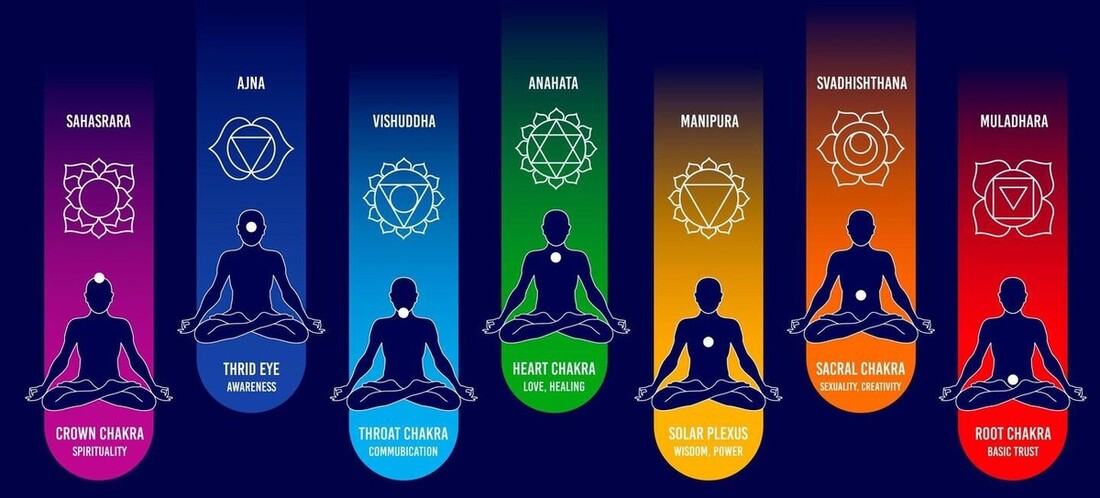
Central to this system is the understanding that there are seven main chakras aligned along the spine, each corresponding to specific physical, emotional, and spiritual aspects of our being. These energy centers act as conduits for life force energy, known as Prana in Sanskrit or Qi in Chinese traditions, to flow through our body, mind, and spirit. Chakra alignment is crucial for maintaining this energy flow and overall well-being.
What are Chakras?
Chakras can be understood as focal points of energy within the human body. They are not physical structures but rather centers of subtle energy that influence our overall well-being. Each chakra is associated with particular organs, emotions, and spiritual qualities, serving as a bridge between our physical existence and our higher consciousness.
The concept of chakras offers a unique perspective on health and wellness, suggesting that the state of our energy centers directly impacts our physical, emotional, and spiritual well-being. When our chakras are open and balanced, energy flows freely, promoting vitality, emotional stability, and spiritual growth. Conversely, blocked or imbalanced chakras can lead to physical ailments, emotional distress, and spiritual disconnection.
The chakra system is intimately connected with the flow of Prana, the life force energy that animates all living beings. This vital energy is believed to enter our body through the crown chakra and flow downward through each successive chakra, nourishing our entire being. Understanding and working with this energy flow in chakras is key to maintaining balance and harmony in our lives.
The 7 Chakras Overview: Exploring Seven Chakra Meanings
The seven main chakras are aligned along the spine, starting from the base and moving upward to the crown of the head. Each chakra is associated with a specific area of the body and governs particular aspects of our physical, emotional, and spiritual well-being. These energy centers work in harmony, creating a complex and interconnected system that influences our overall state of being.
From the grounding energy of the Root Chakra at the base of the spine to the transcendent qualities of the Crown Chakra at the top of the head, each chakra plays a vital role in our holistic health. Understanding these energy centers and their functions can provide valuable insights into our physical symptoms, emotional patterns, and spiritual journey.
The 7 Chakras and Their Functions
1. Root Chakra (Muladhara)

Located at the base of the spine, the Root Chakra is associated with the color red and the earth element. It governs our sense of stability, security, and grounding. When balanced, it provides a strong foundation for our physical and emotional well-being. Imbalances in this chakra can manifest as fear, insecurity, and a lack of connection to the physical world.
2. Sacral Chakra (Svadhisthana)
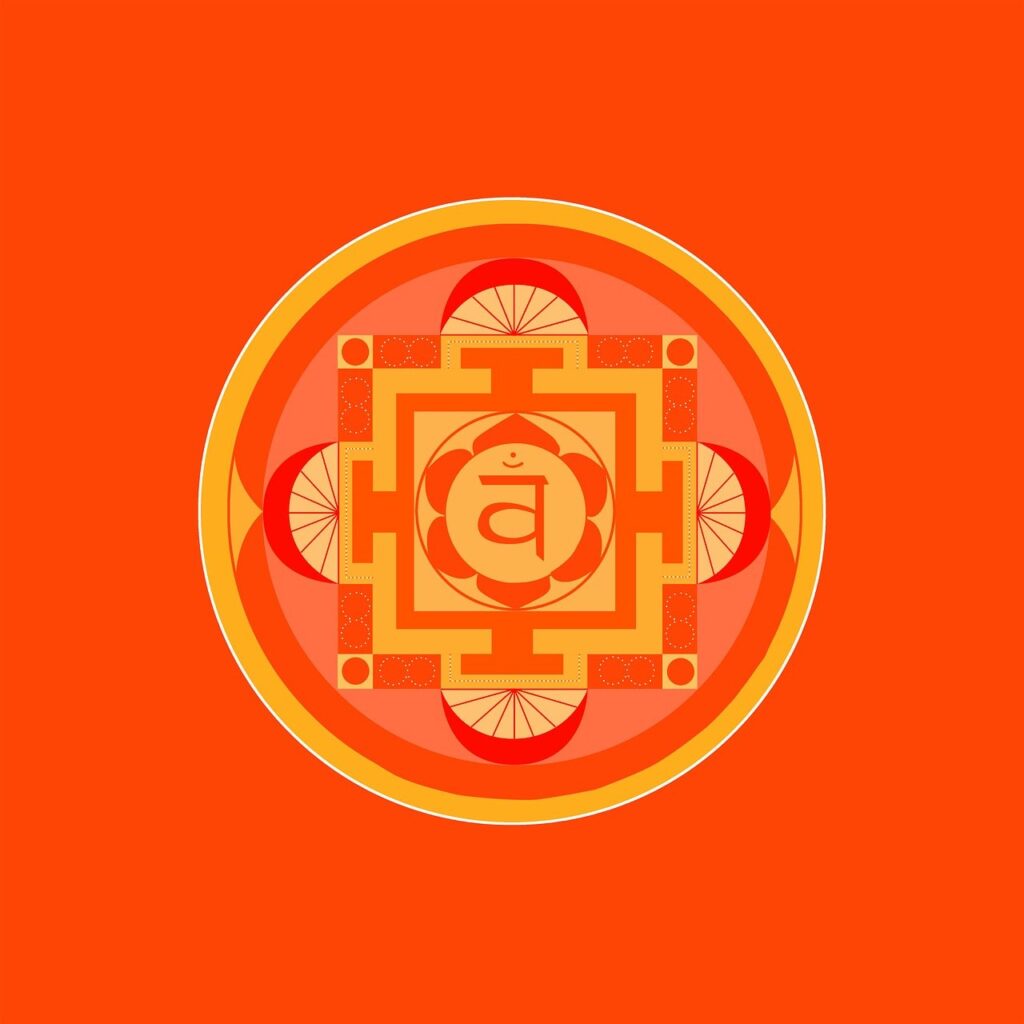
Situated in the lower abdomen, the Sacral Chakra is represented by the color orange and the water element. This chakra is the seat of our creativity, emotions, and sexuality. A balanced Sacral Chakra fosters emotional fluidity, creative expression, and healthy relationships. Imbalances may lead to a lack of creativity, emotional instability, or issues with intimacy.
3. Solar Plexus Chakra (Manipura)
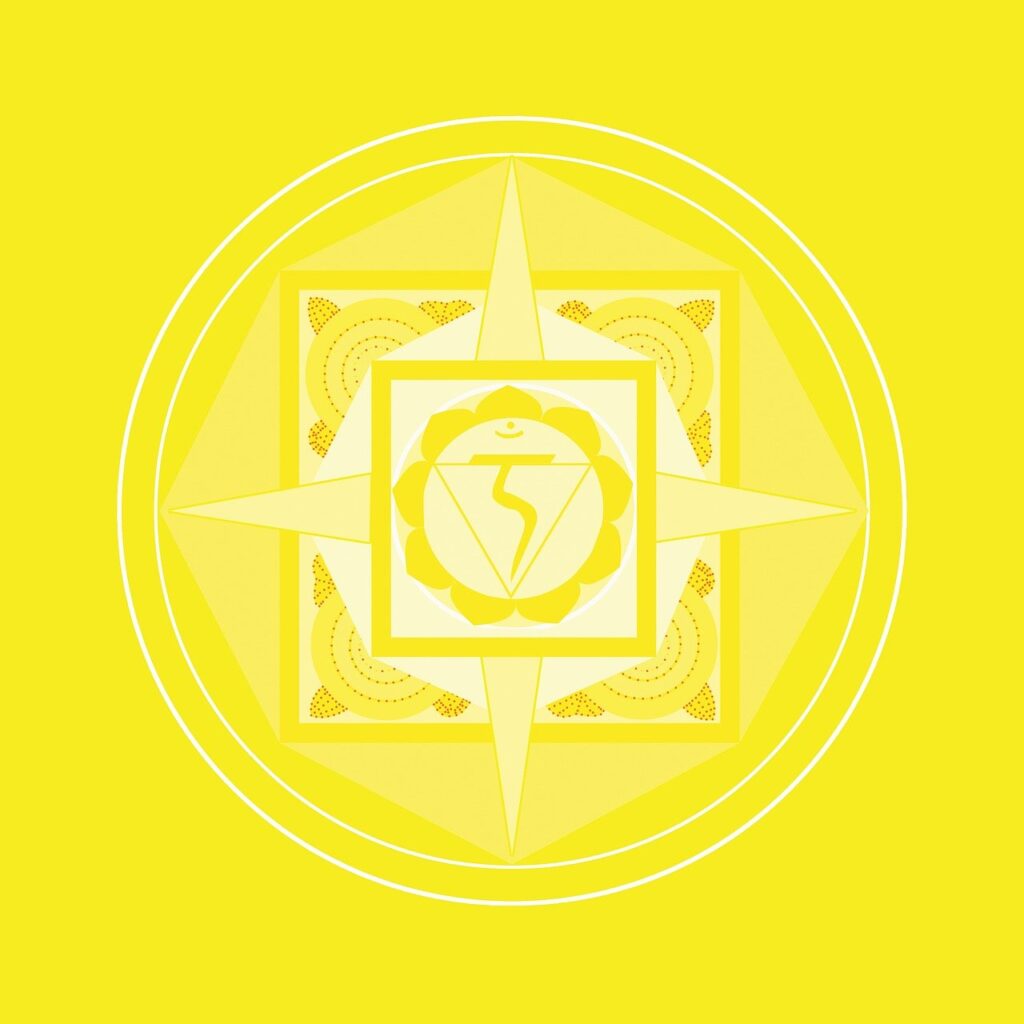
The Solar Plexus Chakra, located in the upper abdomen, is associated with the color yellow and the fire element. It governs our personal power, confidence, and willpower. When in balance, it promotes self-esteem, assertiveness, and a strong sense of self. Imbalances can result in low self-esteem, lack of control, and difficulties in decision-making.
4. Heart Chakra (Anahata)
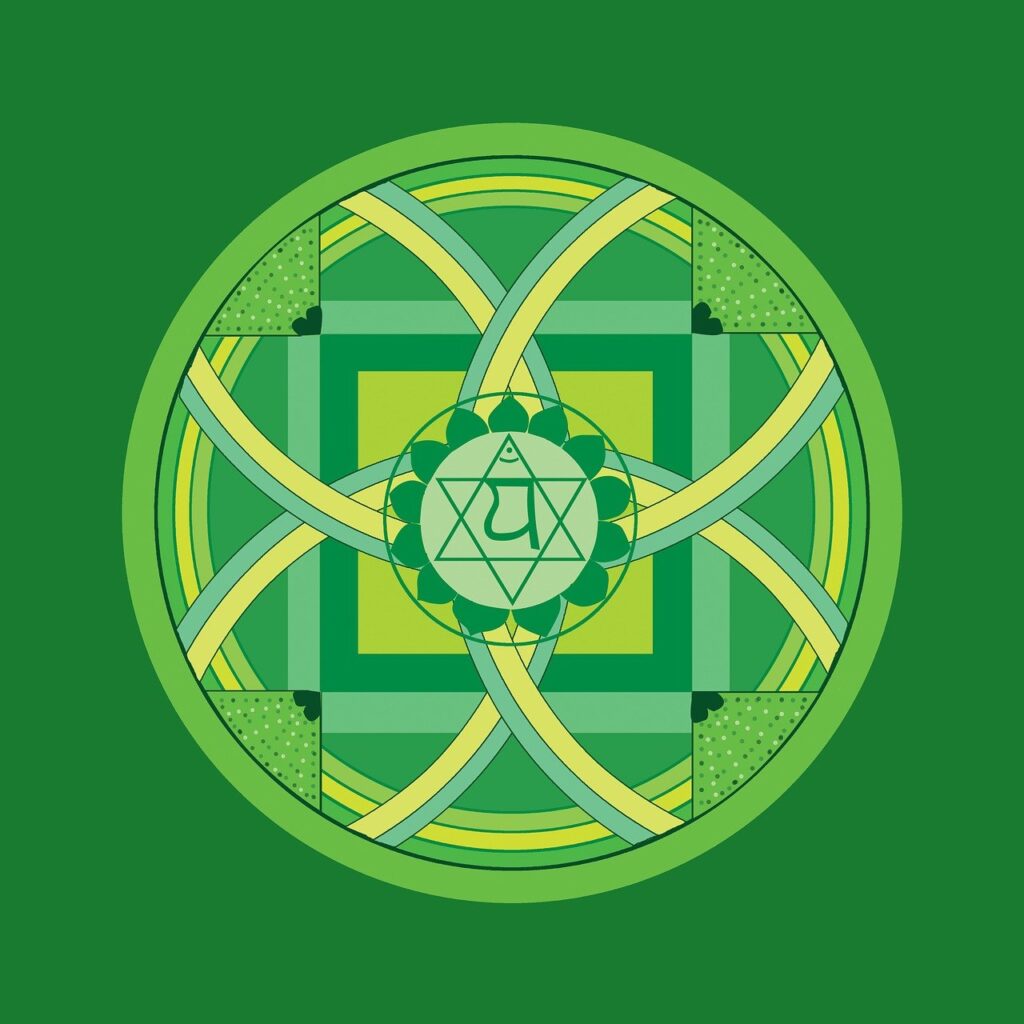
At the center of the chest lies the Heart Chakra, represented by the color green and the air element. This chakra is the bridge between the lower (physical) and upper (spiritual) chakras. It governs love, compassion, and forgiveness. A balanced Heart Chakra allows for deep connections, empathy, and self-love. Imbalances may manifest as emotional detachment or an inability to form meaningful relationships.
5. Throat Chakra (Vishuddha)
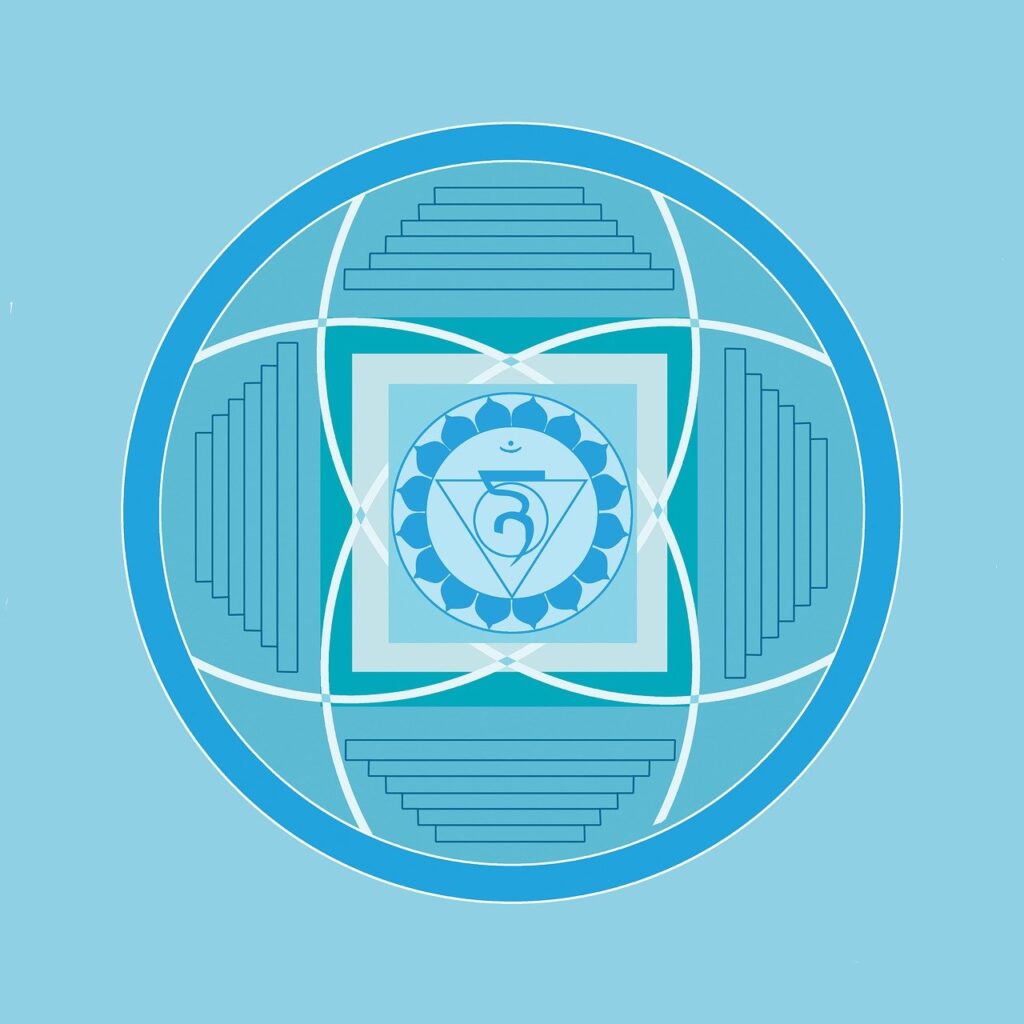
The Throat Chakra, located in the throat area, is associated with the color blue and the element of sound. It governs communication, self-expression, and truth. When balanced, it allows for clear and honest communication, both with others and with oneself. Imbalances can lead to difficulties in expressing oneself, fear of speaking up, or an inability to listen effectively.
6. Third Eye Chakra (Ajna)
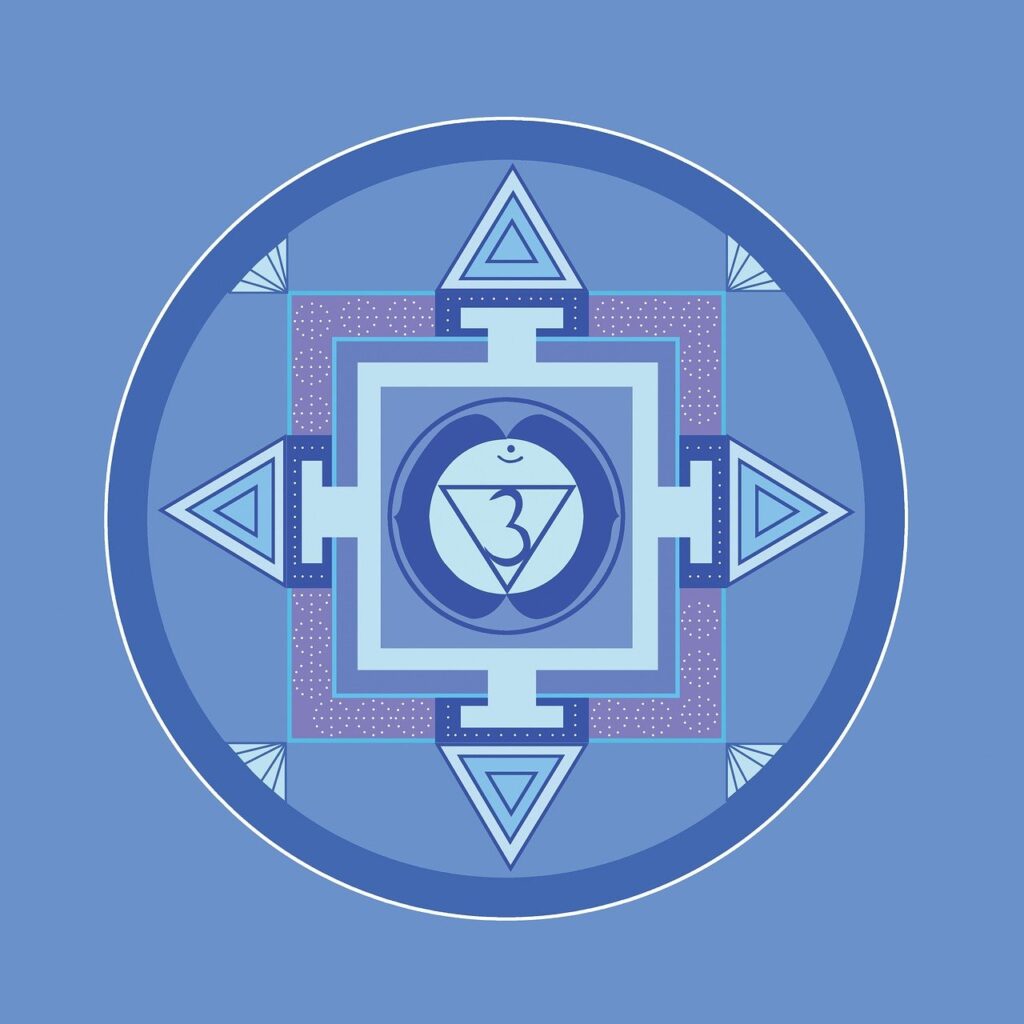
Positioned between the eyebrows, the Third Eye Chakra is represented by the color indigo and the element of light. This chakra is associated with intuition, perception, and imagination. A balanced Third Eye Chakra enhances clarity of thought, intuitive abilities, and spiritual insight. Imbalances may result in lack of focus, poor intuition, or difficulty trusting one’s inner wisdom.
7. Crown Chakra (Sahasrara)
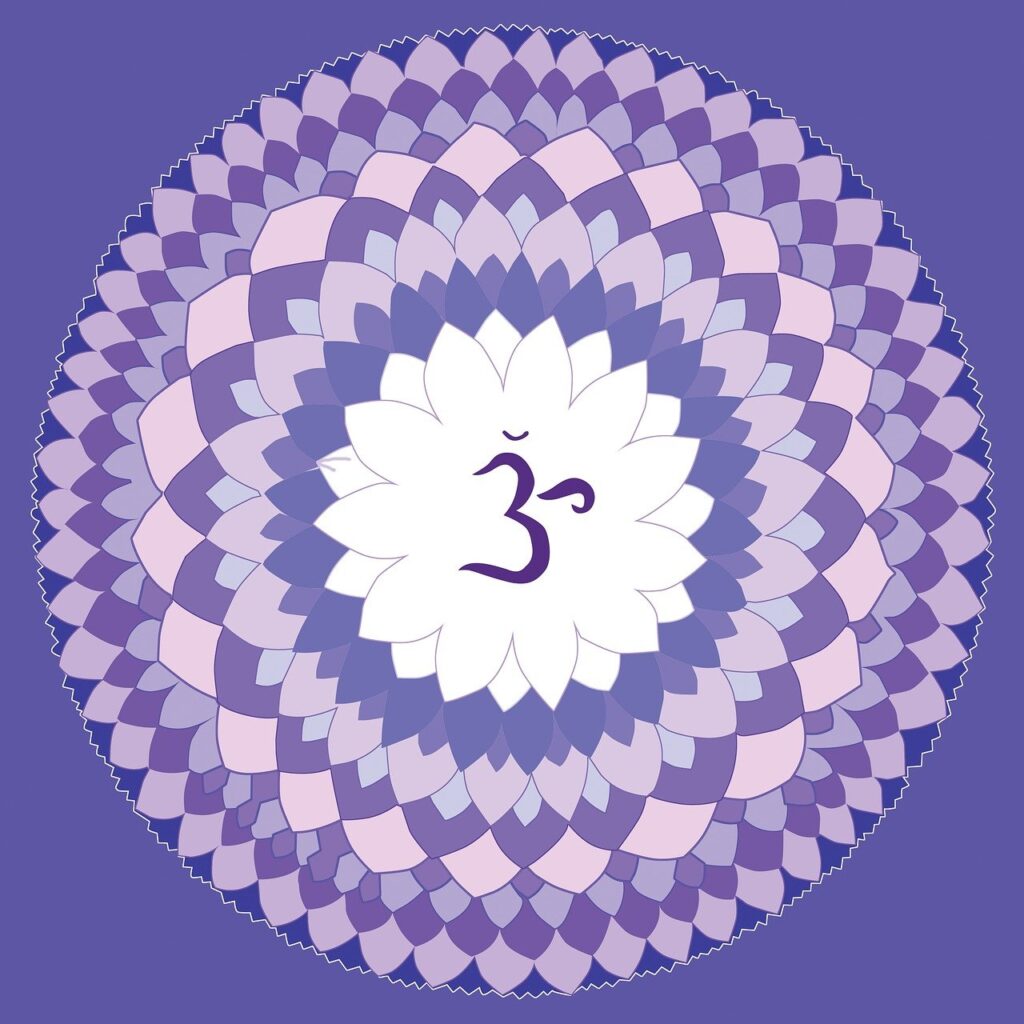
The Crown Chakra, located at the top of the head, is associated with the color violet or white and the element of thought. It represents our connection to spirituality and higher consciousness. When balanced, it fosters a sense of unity, purpose, and spiritual enlightenment. Imbalances in this chakra can lead to feelings of disconnection, lack of purpose, or spiritual crisis.
The Importance of Chakra Balancing and Spiritual Healing
Maintaining balanced chakras is crucial for overall well-being. When our chakras are open and balanced, energy flows freely through our system, promoting physical health, emotional stability, and spiritual growth. This state of balance allows us to navigate life’s challenges with grace and resilience, fostering a sense of harmony and wholeness.
There are various methods to balance chakras and promote spiritual healing, including:
1. Chakra Meditation: This practice involves focusing on each chakra, visualizing its associated color, and using specific mantras to clear blockages and promote energy flow.
2. Chakra Yoga: Specific yoga poses are designed to target and balance each chakra, combining physical movement with breathwork and meditation.
3. Chakra Stones: Using crystals and gemstones associated with each chakra can help to cleanse and balance their energies. For example, red jasper for the Root Chakra or amethyst for the Crown Chakra.
4. Energy Healing: Practices like Reiki focus on channeling universal life energy to balance the chakras and promote healing.
Each of these practices aims to clear blockages and restore the natural flow of energy through our chakra system. Regular chakra balancing can lead to improved physical health, emotional well-being, and a deeper sense of spiritual connection.
Conversely, blocked or imbalanced chakras can have significant consequences on our overall health and well-being. Physical ailments, emotional distress, and spiritual disconnection can all be symptoms of chakra imbalances. By addressing these imbalances, we can often alleviate physical symptoms, resolve emotional issues, and deepen our spiritual practice.
Conclusion
The seven chakras offer a profound framework for understanding the intricate relationship between our physical, emotional, and spiritual selves. From the grounding energy of the Root Chakra to the transcendent qualities of the Crown Chakra, each energy center plays a vital role in our overall well-being.
Maintaining a balanced chakra system is key to achieving harmony in all aspects of our lives. By understanding the functions and influences of each chakra, we can better navigate our physical health, emotional landscape, and spiritual journey. Whether through chakra meditation, chakra yoga, or other healing practices, exploring chakra healing can open up new pathways to self-discovery and holistic wellness.
As we continue to unravel the mysteries of our energetic anatomy, the chakra system remains a powerful tool for personal growth and transformation. By embracing this ancient wisdom and integrating it into our modern lives, we open ourselves to a deeper understanding of our true nature and the infinite potential that lies within.